Serving families across Massachusetts · English · Français · Kreyòl Ayisyen

Safety

Safety is part of every visit

From the moment our caregivers walk through your door, simple, consistent safety habits protect your loved one, your household and our staff.
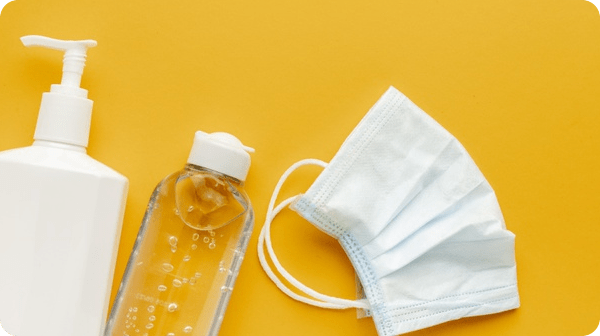
A medical mask and bottle of water on a yellow background.
Our approach

Caring for you means keeping you safe

When you welcome Angel's Guardian into your home, you trust us with the health and well-being of someone you love. We honor that trust by following infection-prevention and home-safety practices on every visit, whether we are helping with a morning routine, changing a bandage or providing skilled nursing care.

Our practices are guided by recommendations from the Centers for Disease Control and Prevention (CDC) and public health authorities, and we adjust them as guidance changes and as each client's needs require.

Best practices

How our team keeps every visit safe

These are the everyday practices our caregivers and nurses follow in the homes we serve.

Hand hygiene

Clean hands are the single most effective way to prevent the spread of germs.

  • Washing or sanitizing hands on arrival and before leaving
  • Cleaning hands before and after hands-on care
  • Cleaning hands after removing gloves
  • Carrying alcohol-based hand sanitizer to every visit

Gloves and protective equipment

The right protective equipment, used the right way, protects both clients and caregivers.

  • Gloves for bathing, toileting, wound care and other personal care
  • Fresh gloves for each task, changed between clients
  • Additional protection such as gowns or eye protection when the care plan calls for it
  • Safe removal and disposal of used equipment

Masks when needed

Masks help stop respiratory illnesses from spreading between caregivers and the people they serve.

  • When a client or anyone in the home has respiratory symptoms
  • When a caregiver has mild symptoms or a known exposure
  • When public health guidance recommends it
  • Any time a client or family requests it

Clean surfaces and equipment

A clean care space lowers the risk of infection, especially for clients who are recovering or have chronic conditions.

  • Wiping down frequently touched surfaces in the care area
  • Cleaning reusable equipment such as thermometers and blood pressure cuffs
  • Handling soiled linens and laundry with care
  • Safe disposal of bandages, sharps and medical waste

Fall prevention and safe mobility

Falls are a leading cause of injury for older adults, so we look for risks at every visit.

  • Keeping walkways clear and well lit
  • Using safe techniques for transfers, bathing and walking
  • Encouraging proper use of walkers, canes and other assistive devices
  • Pointing out hazards like loose rugs and cords to families

Medication safety

Careful handling of medications helps prevent missed doses and mix-ups.

  • Following each client's care plan and medication schedule
  • Medication charting and preparation by home health aides
  • Medications administered by our visiting nurses
  • Reporting side effects or changes to families and health providers

Staying well to keep you well

Healthy caregivers are an important part of a healthy home.

  • Daily screening of employees for illness and exposures
  • Caregivers stay home when they are sick
  • Monitoring clients' temperature, pulse and other vital signs
  • Prompt follow-up when a client shows signs of illness

Communication you can count on

Safety depends on everyone staying informed.

  • Keeping families updated on their loved one's condition
  • Coordinating with doctors and other health providers
  • Reporting changes in health, behavior or the home environment
  • Keeping emergency contacts and care instructions up to date
Respiratory illness

COVID-19, flu and other respiratory illnesses

The precautions we put in place during the coronavirus pandemic remain part of how we work today, and we apply them to flu, RSV and other seasonal illnesses as well.

Daily screening of our employees for coronavirus and other illness-related exposures

Masks worn by our staff and, if possible, by our clients when illness is present or public health guidance recommends it

Following current CDC recommendations and updating our precautions as guidance changes

Partnering with families

Safety works best as a team effort. You can help by:

  • Letting us know before a visit if anyone in the home is sick
  • Sharing an up-to-date list of medications and allergies
  • Keeping a clear path to the areas where care takes place
  • Telling us about any changes in health, mobility or routine
  • Asking questions any time something doesn't feel right